

What makes stainless steel steal the show in hygiene, kitchen surface, and kitchenware? There are many properties that make stainless steel stand out as an ideal material for use in rigging, fabrication, manufacturing cables, and many more uses in industrial, commercial, and residential projects. The kitchen has a lot of food droppings, oil, and residues making it a very sensitive area that if not well attended can lead to food contamination and cause unnecessary health hazards. Here are some of the reasons why using stainless steel rules the industry.
- Corrosion resistance for kitchen equipment and surface
It is corrosion-resistant. Stainless steel was first created by Harry Brearley in 1913 as the world’s rustless steel’. Later on, the addition of chromium gave stainless steel a rustless quality and was seen as the major breakthrough in its development. Stainless steel has evolved greatly with industrial innovations and inventions to make it better in quality and service. The current market uses 316 grade that has 3% molybdenum which further strengthens corrosion resistance. - Hygiene for commercial kitchen stainless surface
Stainless steel gives a finishing surface in material that is extremely easy to clean and sanitize leaving no room for germs or dirt to hide and cause harm. Its smooth, sheen-like, and non-porous surface keeps dirt off thus a simple clean gets rid of all health hazards that there could be. The ease to clean makes this a reliable material in areas where hygiene is highly sought like kitchens, hospitals, laboratories, etc. - Impact, fire and heat resistant material
Stainless steel is an extremely tough material with high impact resistance. It has low susceptibility to brittleness at high and low temperatures. Not only does this mean that the material will retain its shape, but it means at its melting point it can be more easily welded, cut, and fabricated. - Stainless steel has oxidation resistance, even at high temperatures. This enables it to retain its strength under harsh and extreme temperature conditions very effectively. Chromium plays an important role and makes stainless steel a great choice with fire resistance in mind. In this regard, it outperforms the likes of galvanized steel and aluminum.
- Aesthetic appearance and sustainability
Beauty and class never part in aesthetic appearance, stainless steel remains an aesthetic and elegant material with a brightness akin to purity. It also complements well with other materials in construction making a good base for especially kitchen appliances.
It may look like a small point but most important is that, stainless steel is typically created from about 70% scrap metal thus its foundations come from renewable material. It is also 100% recyclable in its original form which means it can be repurposed.
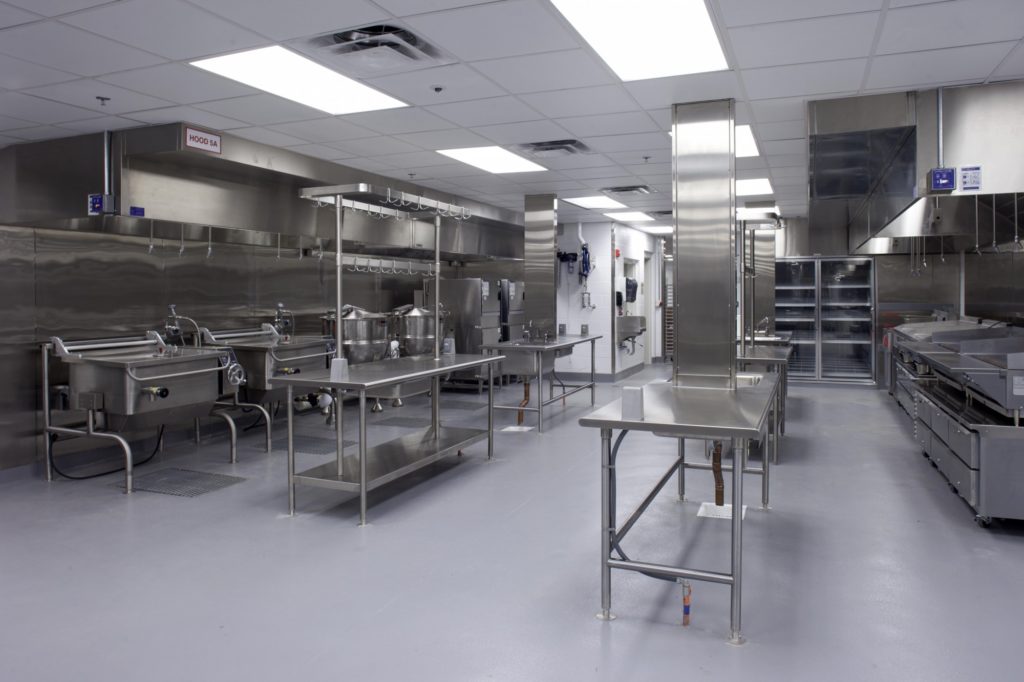
5 Long-term value for kitchen equipment and surface
It is a long-lasting material with low or no maintenance cost making it a stand out in all hygienic fabrication needs that is yet to see competition. The market continues to enjoy these benefits and make more and more equipment from stainless steel given its strong presence and reliability in the market.
One main downside of this beautiful gem as-is for most reliable materials is cost, however, the long-term benefits out-weighs the cost aspect because, in the long run, it serves the ultimate purpose. Overall, however, the benefits of stainless steel far outweigh the disadvantages making it the most ideal material for a number of applications. In Kenya, there are many companies that have specialized in the fabrication of equipment using stainless steel for various purposes from domestic to commercial needs. Henson Kitchens takes pride in designing and fitting commercial kitchens with all equipment from design to play. With guaranteed high hygiene standards and professional kitchen layout designers and stainless steel fitters, it is a reliable company to leave your commercial kitchen worries to.